← Journal

365 / Journal

The Ultimate Self Check-In Setup Guide

## Self Check In Airbnb Setup: A UK Guide for Professional Long‑Stay Hosting A reliable **self check in Airbnb setup** is no longer a “nice to have”. For UK landlords and operators aiming for stable, long-stay income, it
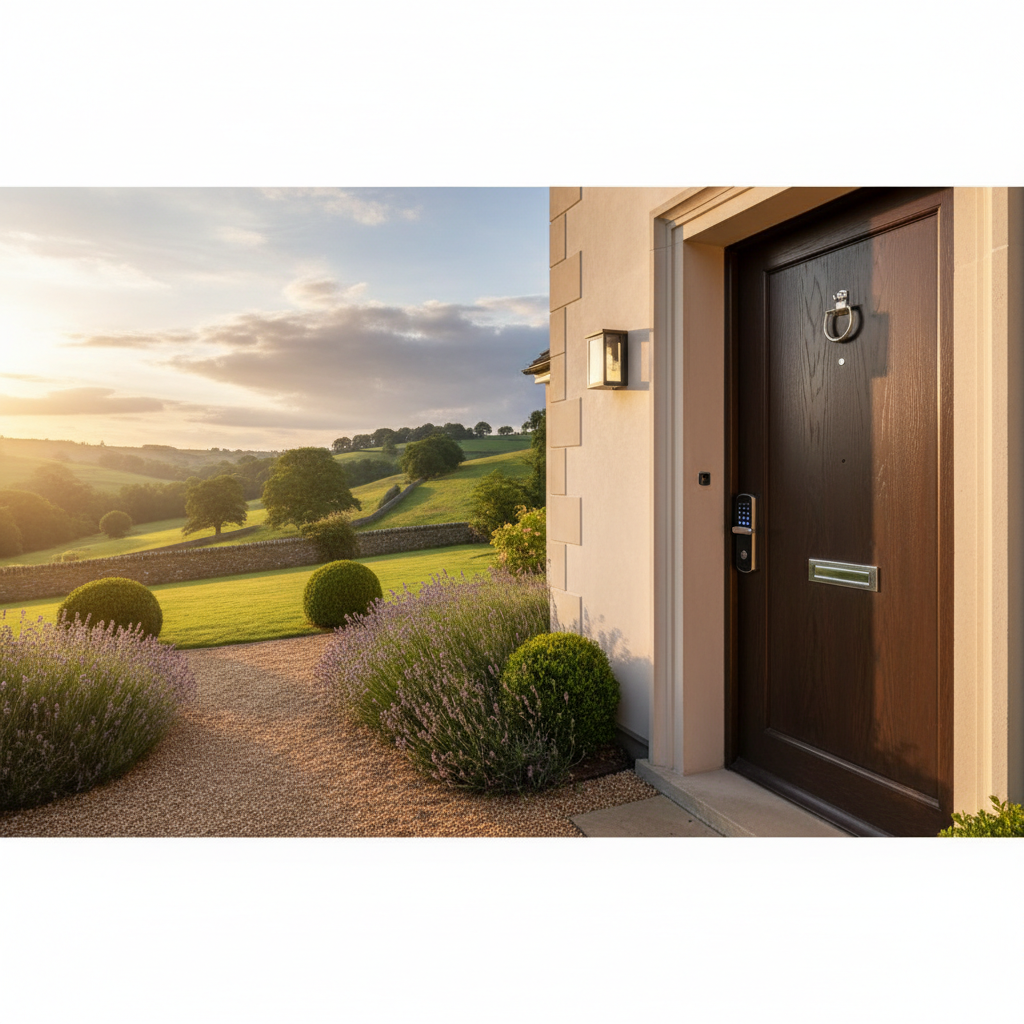
## Self Check In Airbnb Setup: A UK Guide for Professional Long‑Stay Hosting A reliable **self check in Airbnb setup** is no longer a “nice to have”. For UK landlords and operators aiming for stable, long-stay income, it’s one of the most important building blocks. Done properly, self check‑in reduces operational workload, improves guest experience, and helps you run a consistent, low‑friction hosting model that can scale across multiple properties. This guide explains how to design a robust self check‑in process that works for longer bookings, meets UK expectations, and protects your property. --- ## Why a strong self check‑in matters for long‑stay stability Short stays can tolerate a little inconsistency; long stays generally cannot. Guests arriving for several weeks often have work deadlines, travel disruptions, and higher expectations. A smooth arrival sets the tone for the entire booking and reduces the likelihood of issues, refunds, or negative reviews. A well-designed self check‑in system supports: - **Stable income via repeatable operations**: fewer manual handovers and fewer missed check‑ins. - **Higher occupancy from broader arrival windows**: guests can arrive late, early, or around travel changes. - **Lower management overhead**: fewer time-sensitive meet-and-greet appointments. - **Better guest satisfaction**: clear instructions and predictable access, especially for relocations or corporate travel. For a long‑stay model, the aim is consistent performance, not constant firefighting. --- ## Core options for a self check in Airbnb setup (and what to choose) ### Key safe (lockbox): simple, but manage carefully A wall-mounted or rail-mounted lockbox is often the cheapest option and can work well for many UK homes. **Pros** - Low cost and easy to fit - Straightforward for most guests **Cons** - Codes can be shared if not rotated - Physical wear and tear over time - Can look untidy if poorly placed **Best practice** - Install discreetly with weather protection - Change codes after every booking - Keep a spare key in an off-site contingency location (not inside the lockbox) ### Smart lock: best for control and long stays Smart locks are ideal for professional hosting because access can be controlled remotely, often with time-limited codes. **Pros** - Unique PINs can be created per booking - Access can be revoked immediately - Reduced risk of lost keys - Strong audit trail on some models **Cons** - Higher upfront cost - Battery management required - Some doors need adjustment or compatible hardware **Best practice** - Use a reputable brand with local support and proven UK compatibility - Set a battery replacement schedule (don’t wait for low-battery alerts) - Keep a physical key override as backup ### Concierge/reception handover: only when it adds value In some buildings (serviced blocks, concierge apartments) the “self check-in” may still be supported by reception. That can be excellent for longer stays, but it must be reliable. **Key points** - Confirm operating hours, ID requirements, and rules for late arrivals - Ensure guest messaging reflects the building’s process clearly - Avoid implying 24/7 support if it’s not available --- ## Step-by-step: building a reliable self check-in process ### 1) Standardise your arrival window and messaging Long‑stay guests often arrive outside typical hours. Define a clear check‑in window, then write messaging that supports flexibility without creating liability. Include: - earliest check‑in time (and what happens if they arrive early) - parking/loading guidance (if relevant) - building access steps (door, corridors, lift, flat door) - who to contact in an emergency Consistency here reduces operational load and helps avoid misunderstandings that lead to complaints. ### 2) Create check-in instructions that are genuinely usable Most “how to check in” guides fail because they assume local knowledge. Your goal is that a first-time visitor can access the property effortlessly on a dark, rainy evening. Your instruction pack should include: - the full address as it appears on maps (and any quirks) - a clear description of the entrance (colour of door, name of building) - step-by-step bullet points - photos with arrows (close-up of lockbox location, keypad, and door handle) - troubleshooting tips (e.g., “pull door towards you while turning key”) For long stays, add a short “first 10 minutes” checklist: - how to switch on heating/hot water - where the consumer unit is - where to find Wi‑Fi details - where bins are stored and collection day basics ### 3) Set up code management for security and repeatability Security is fundamental to a professional self check in Airbnb setup, particularly when guests remain in the home for weeks. Minimum standards: - **Unique code per booking** (where possible) - **Code expiry** aligned to checkout time - **Immediate code change** if a guest reports it was visible or shared - **Central record** of codes and access dates (especially across multiple properties) If you manage several properties, avoid informal tracking. Use a property management system or a documented internal process that prevents reuse and mistakes. ### 4) Build in contingency for lockouts and failures Even the best systems fail: batteries die, keys snap, guests forget instructions. For stable income, you need predictable recovery. Plan for: - backup access method (spare key held locally by a trusted contractor or team member) - emergency locksmith relationship (and clear authorisation) - out-of-hours support script (what you do, how fast, and what you don’t cover) - clear guest instructions for urgent issues versus general questions The goal is not eliminating incidents entirely; it’s minimising disruption and avoiding escalations. --- ## Compliance and risk considerations (UK context) ### Insurance and landlord obligations Your insurer may have conditions around locks, key storage, and entry systems. Check: - whether lockboxes are permitted and any placement requirements - minimum lock standards (e.g., British Standard locks) - requirements following theft or forced entry If you operate in a leasehold building, confirm: - rules on external alterations (lockbox installation) - entry system usage and guest policies - fire door and communal area compliance ### Data and privacy Self check‑in often overlaps with guest verification. Use Airbnb’s built-in processes where possible and avoid collecting unnecessary personal data. If you do collect additional information (common for corporate stays), have a clear, compliant approach to storage and retention. --- ## Optimising self check-in for longer stays (not short breaks) ### Prevent the “first night” support spike Long-stay guests are less tolerant of chaos because they’re settling in. Prevent issues by pre-empting the most common friction points: - Wi‑Fi name/password clearly visible and also in the Airbnb message thread - clear heating/hot water instructions (UK systems vary significantly) - simple appliance instructions (hob, oven, washing machine) - a brief inventory note on essentials (tea, coffee, bin bags) to reduce immediate messages ### Align check-in with maintenance and cleaning standards Stable long‑stay income depends on reducing avoidable callouts. Self check‑in should be integrated with: - property inspections between stays - preventative maintenance schedule (especially locks, handles, batteries) - professional cleaning checklists A self check-in system can only be as good as the property readiness behind it. --- ## Common mistakes that damage reviews (and how to avoid them) ### Vague directions “Use the lockbox by the door” is rarely enough in UK terraces, converted flats, or busy streets. Use photos and landmarks. ### Overcomplicated access Multiple keys, multiple doors, unclear fobs, poorly labelled keyrings—these are review killers. Simplify wherever possible and label everything clearly. ### No backup plan If a guest can’t get in and can’t reach anyone, the booking may collapse quickly. Even with self check‑in, responsive support is part of a professional operation. --- ## When to outsource: self check-in still needs management Self check‑in reduces the need for meet-and-greets, but it doesn’t remove the need for professional oversight. If your goal is **stable income** through a **long‑stay model**, you need systems that work every time—across guest types, seasons, and staff changes. A specialist management partner can: - install and manage access systems - standardise check‑in messaging and templates - coordinate cleaning, inspections, and maintenance - respond quickly to lockouts or urgent issues - optimise pricing and minimum stay rules to support longer bookings If you’re exploring hands-off hosting, see our UK service options here: **/airbnb-management-uk** and **/airbnb-management-UK**. --- ## Landlord CTA: get a self check-in system that supports stable long-stay income If you’re a UK landlord who wants dependable, long‑stay revenue without day-to-day operational stress, we can help you implement a professional **self check in Airbnb setup** and manage the entire hosting process end to end. Talk to our team about your property, location, and income goals—and we’ll outline a long‑stay focused plan designed for consistency, security, and strong guest experience. Start with our management overview: **/airbnb-management-uk** (also available at **/airbnb-management-UK**).

365 / Next step

Need accommodation, management or a more specific answer?

Find accommodationDiscuss a property ↗Back to journal ↗
365°
Contact↗Call↗