← Journal

365 / Journal

How to Reduce Guest Messages with a Digital Guidebook

## How to Reduce Airbnb Guest Messages (Without Hurting Reviews) If you manage short stays, guest messaging can quickly become the most time-consuming part of hosting. The good news is that you can **reduce Airbnb guest
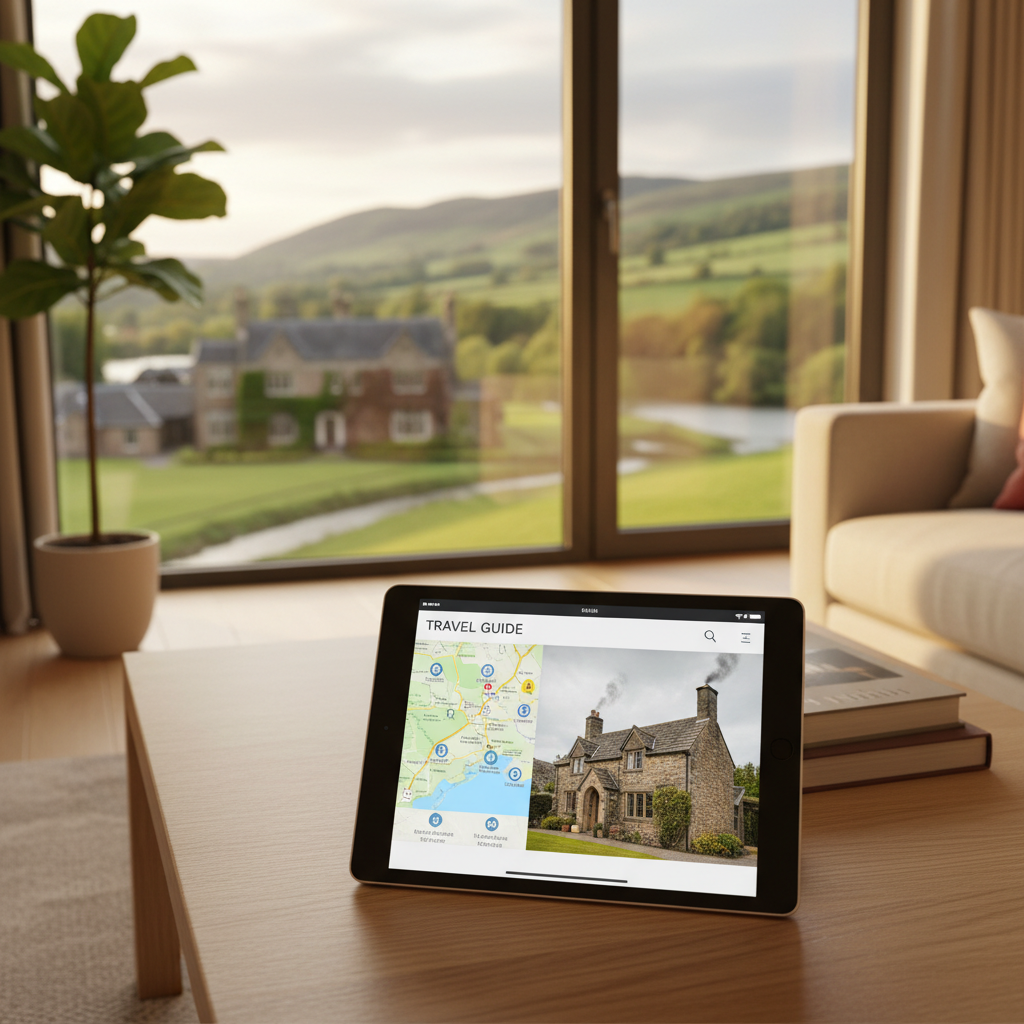
## How to Reduce Airbnb Guest Messages (Without Hurting Reviews) If you manage short stays, guest messaging can quickly become the most time-consuming part of hosting. The good news is that you can **reduce Airbnb guest messages** significantly while maintaining (and often improving) guest satisfaction. The key is proactive clarity: guests message when they’re uncertain, can’t find something, or feel unsupported. For UK landlords focused on **stable income**, the most effective messaging-reduction strategy often sits alongside a **long-stay model** (e.g., 28+ nights), where there are fewer check-ins, fewer “where is…” queries, and fewer emergency-style interruptions. But even if you still accept shorter bookings, the same systems apply. This guide covers practical steps that lower message volume, protect your time, and support professional, repeatable operations. --- ## Why Guests Message So Much on Airbnb Most guest messages fall into predictable categories: - **Access questions**: check-in time, lockbox codes, where to park, which door to use - **Property basics**: Wi‑Fi, heating, hot water, bins, TV instructions - **Local information**: transport, supermarkets, late-night food - **Expectation gaps**: misunderstanding house rules, amenities, or layout - **Issue reporting**: minor maintenance, noise, missing items When these are handled pre‑emptively, message volume drops. When they are unclear, guests “ask to be safe” — especially in UK cities where parking, entry systems, and heating controls are common pain points. --- ## Build Your Messaging Reduction System (The 80/20) ### Create a “No-Message” Guest Journey Aim for a journey where a guest can arrive, enter, settle, and use the home without needing to contact anyone. The essentials: - Clear listing details (amenities, quirks, access) - Pre-sent check-in instructions - A simple house guide (digital + printed) - Standard replies for edge cases - Fast issue resolution (so messages don’t multiply) This isn’t about being distant; it’s about being *predictably helpful* before guests need to ask. --- ## Fix the Root Cause: Your Listing Clarity ### Write Descriptions Like a Guest Who’s Never Been to the UK Many avoidable messages come from gaps in the listing itself. Update: - **Exact bed setup** (e.g., “1 king, 1 double sofa bed”) - **Floor level + lift info** - **Parking** (permit, pay-and-display, restrictions, height limits) - **Noise context** (street-side windows, nearby pubs, train lines) - **Heating type** (combi boiler, storage heaters, smart thermostat) - **Internet details** (speed and typical reliability, if relevant) If something is even slightly confusing, write it plainly. Ambiguity is a messaging generator. ### Confirm Your “Essentials” Are Accurate If you advertise a workspace, ensure it’s a real desk and chair. If you list self check-in, the process must be genuinely independent. Overpromising creates questions and complaints. --- ## Use Scheduled Messages to Prevent Repetitive Questions ### H3: Send Fewer Messages by Sending Better Ones Messaging reduction isn’t silence; it’s well-timed, comprehensive communication. A simple schedule works best: 1. **Booking confirmation message** (immediate) - Thanks + key headline rules (no smoking, ID if applicable, quiet hours) 2. **Pre-arrival message** (48–72 hours before) - Address format + parking + earliest check-in + what to bring (photo ID, if needed) 3. **Check-in message** (morning of arrival) - Step-by-step access instructions, Wi‑Fi, and the one-page “getting started” summary 4. **Mid-stay message** (next day for short stays; day 5–7 for long stays) - “Everything okay? Reminders: bins / heating / contact route for issues.” 5. **Check-out message** (evening before) - Clear timing, key return, bin guidance, and what not to do (e.g., don’t strip beds if you don’t want that) If you include the correct details at each stage, guests are far less likely to message “just to check”. --- ## Make Your House Manual Actually Usable ### H3: Replace “Long Documents” With Quick Answers A 15-page PDF rarely helps at the moment of need. Instead: - **One-page quickstart** (printed) - Wi‑Fi, heating basics, hot water, bins, emergency contacts - **Digital guide** (Airbnb guidebook or hosted page) - Full details + photos and short videos ### What to Include (UK-specific) - Heating instructions with photos (common issue in UK properties) - Boiler reset steps (if it’s safe and appropriate) - Where the consumer unit is (for outages) - Bin collection days and which bin is which (especially in councils with strict sorting) - Parking restrictions and how to avoid tickets - Appliance guides (washer/dryer, oven, hob) When guests can self-serve answers, you reduce Airbnb guest messages quickly. --- ## Standardise Your Replies (Without Sounding Robotic) ### H3: Build a Template Library for the Top 20 Questions Even with great systems, messages still arrive. The goal is to respond quickly and consistently. Create templates for: - Early check-in / late check-out - Directions + parking - Wi‑Fi - Heating / hot water - Extra linen - Local recommendations (3–5 options, not a novel) - Noise complaints procedure - Maintenance reporting (ask for photo + urgency level) A professional tone plus clear steps reduces back-and-forth. One strong reply prevents five follow-ups. --- ## Remove “Message Triggers” in the Property ### H3: Label the Things Guests Always Ask About Physical cues cut messages dramatically: - Label the boiler / thermostat (“Heating control: press here”) - Put Wi‑Fi details on a small plaque (not a loose card) - Label the correct bins - Put check-out basics on the fridge - Add “spares” signposting (where extra bin bags are, where to find a torch, etc.) If a guest can see the answer, they won’t message. --- ## Set Expectations That Protect Quiet Enjoyment ### H3: House Rules That Prevent Support Requests Some support issues come from mismatched expectations. Keep rules short and enforceable: - Quiet hours aligned with neighbours - Maximum occupancy and visitor policy - Smoking/vaping policy (include outdoor areas) - Clear policy on lost keys / lockouts - Clear approach to maintenance visits (especially for long stays) For a **long-stay model**, calmer rules and clarity support fewer disputes and fewer reactive messages — which contributes directly to **stable income** and smoother operations. --- ## Encourage Longer Stays to Reduce Operational Load ### H3: The Long-Stay Model Naturally Reduces Guest Messaging If your priority is stable, predictable returns, longer stays often create a better operational profile: - Fewer turnovers = fewer check-in instructions repeated - Fewer “first night” issues across the calendar - Less cleaning coordination and fewer time-sensitive queries - Guests settle into routines, reducing questions after the first week Long stays don’t eliminate messaging, but they change it: fewer trivial questions, more practical maintenance-style communication, and fewer “where is the…” interruptions. --- ## Use the Right Support Structure (So Messages Don’t Stack Up) Even with systems, you need consistent coverage. Missed messages tend to multiply: guests chase, worry, and escalate. A professional management approach typically includes: - Monitored inbox with response time targets - Escalation pathways (minor issue vs urgent) - Local maintenance network - Quality control to prevent repeat issues If you’re aiming to reduce Airbnb guest messages at scale across one or multiple properties, operational consistency is the difference between a manageable inbox and a daily distraction. --- ## When to Bring in Professional Airbnb Management If your guest communication is eating into your week, it’s usually a sign that the property needs: - clearer guest onboarding, - more robust systems, - or full-service coverage. A specialist team can implement the schedules, templates, house guides, and operational checks that reduce message volume while supporting stronger reviews and — crucially — a **stable income**, particularly when aligned to a **long-stay strategy**. Learn more about our services here: - **Airbnb management in the UK**: /airbnb-management-uk - **Airbnb management UK**: /airbnb-management-UK (We support landlords who value consistency, compliance, and long-term performance, not just busy calendars.) --- ## Landlord CTA: Reduce Guest Messages and Secure More Stable Income If you’re a UK landlord tired of constant guest queries, we can help you **reduce Airbnb guest messages** with a proven operating system designed for calm, compliant hosting — and optimised for **stable income through longer stays**. Get in touch to discuss your property and see what a long-stay focused management approach could deliver. We’ll review your listing, guest journey, and operational setup and explain exactly how we’d reduce message volume while improving the quality of bookings.

365 / Next step

Need accommodation, management or a more specific answer?

Find accommodationDiscuss a property ↗Back to journal ↗
365°
Contact↗Call↗